The 80s aesthetic is everywhere again. From synthwave album covers flooding streaming platforms to neon-drenched graphics dominating Instagram feeds, the visual language of the 1980s has experienced a cultural revival that shows no signs of slowing.
Yet recreating that distinctive look—chrome lettering, sunset gradients, grid landscapes, airbrushed portraits—traditionally requires either serious illustration chops or expensive commissions from specialized designers. For retro culture bloggers, fan art creators, and vintage enthusiasts who want to produce authentic 80s visuals for their projects, the barrier to entry has always been skill, time, or budget.
Why 80s Visual Culture Keeps Coming Back
The enduring appeal of 80s graphic design lies in its unapologetic maximalism. Where modern design trends favor minimalism and restraint, the 80s celebrated excess—hot pink against electric blue, chrome reflections on everything, palm tree silhouettes against gradient sunsets, geometric grids stretching toward infinite horizons. This visual boldness translates exceptionally well to digital platforms where attention is the scarcest resource.
The nostalgia factor runs deeper than aesthetics alone. For audiences who grew up in the era, these visuals trigger genuine emotional connections. For younger audiences discovering the style through retrowave music, vintage gaming communities, and period-set television shows, the 80s aesthetic represents an exciting visual vocabulary that feels fresh precisely because it predates the digital design conventions they encounter daily.
This cultural momentum has created genuine demand for 80s-style visual content. Blog headers, podcast cover art, event flyers, merchandise graphics, social media posts, and fan art projects all benefit from authentic retro styling. The problem is that producing these visuals through traditional methods—whether hand-drawing in period-appropriate styles or commissioning custom illustration—remains prohibitively time-consuming and expensive for most creators working on passion projects or modest budgets.
Generating Retro Visuals From Text Descriptions
The most significant shift in accessible retro art creation has come through AI image generation platforms that translate written descriptions into finished visuals. Rather than requiring illustration skills or design software proficiency, creators can describe the 80s aesthetic they envision and receive polished output that captures the era’s distinctive visual language.
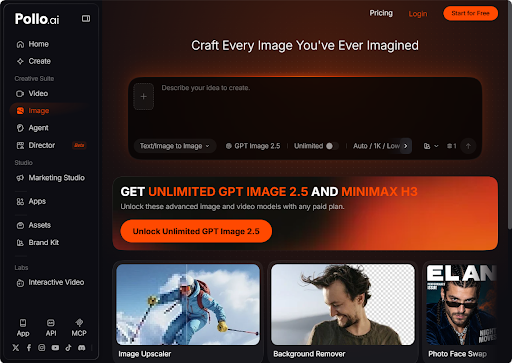
Pollo AI’s capability to convert text to image online proves particularly effective for retro art creation because the platform runs on advanced generation models that handle the specific visual characteristics of 80s design with notable accuracy. The chrome reflections, neon glow effects, airbrushed gradients, and geometric patterns that define the era require sophisticated light and material rendering—qualities that distinguish professional-grade AI generation from simpler tools that produce flat, unconvincing results.
For creators producing retro content regularly, the platform’s extensive library of specialized style models opens up focused creative possibilities. Dedicated generation modes for poster artwork, t-shirt graphics, and stylized illustrations mean that creators can specify not just the visual content but the intended output format, producing results optimized for their specific use case rather than generic images that require extensive post-processing.
The practical workflow for generating 80s poster art follows a straightforward pattern. A creator describes their vision—perhaps a chrome-lettered title floating above a neon grid landscape with palm trees and a setting sun—and the AI generates multiple interpretations that capture different aspects of that description. The creator selects the most compelling result and refines through additional generation passes or targeted editing. The entire process, from concept to finished poster, takes minutes rather than the hours or days that manual illustration would require.
Crafting Retro Typography and Merchandise Graphics
Typography is perhaps the most immediately recognizable element of 80s graphic design. The era’s signature lettering styles—chrome-extruded block letters, neon script fonts, brushed metallic serif faces—carry instant period authenticity that anchors any retro composition.
AI generation handles these typographic styles with increasing sophistication. When using Pollo AI to convert text to image online, creators can specify not just the text content but the precise typographic treatment: chrome lettering with purple reflections, neon tube script against a dark background, or embossed gold text with geometric shadow effects. The resulting typography integrates naturally with the surrounding composition rather than appearing pasted on, which has historically been a challenge with template-based design approaches.
For creators producing merchandise graphics—t-shirt designs, sticker art, pin designs—this typographic capability is particularly valuable. A retro-themed t-shirt design combining period-appropriate lettering with iconic 80s visual elements can be generated, refined, and prepared for print production in a single creative session. The commercial licensing available through the platform’s model library means these designs can be used for merchandise production without rights concerns.
Transforming Personal Photos Into Period-Appropriate Artwork
Beyond generating original compositions from text descriptions, a complementary approach to 80s visual creation involves transforming existing photographs into period-appropriate artistic styles. This technique proves especially valuable for creators who want to incorporate personal or recognizable imagery into their retro projects.
Pollo AI’s ability to turn photo into painting offers a practical pathway for this transformation. A contemporary portrait can be rendered in the airbrushed illustration style that defined 80s magazine covers and movie posters. A modern cityscape photograph can be converted into stylized, neon-saturated urban scenes that characterized the era’s science fiction artwork. A casual snapshot can become a painterly composition with the warm, saturated color palette and soft-focus quality of 80s commercial photography.
The artistic style options available through the tool span the range of techniques that were prevalent during the decade. Oil painting treatments recreate the look of period album cover art. Sketch-style conversions produce the kind of detailed line work found in 80s comic books and graphic novels. Impressionistic treatments capture the dreamy, saturated quality of the era’s fashion photography.
For retro culture bloggers, this photo-to-painting capability solves a persistent content challenge. Rather than relying solely on sourced vintage imagery—which carries copyright concerns and limited availability—bloggers can transform their own photography into period-appropriate illustrations. A blog post about 80s fashion can feature original artwork derived from the author’s own styled photographs. A retrospective on 80s architecture can include painterly interpretations of contemporary photos of period buildings.
The workflow integration between these two approaches—generating original compositions from text and transforming photographs into retro artwork—creates a comprehensive creative toolkit for 80s visual content production. Pollo AI’s capability to turn photo into painting complements the text-to-image generation workflow by adding a personal, photographic dimension to retro content that purely generated imagery cannot provide.
Where AI Fits in the Retro Creative Ecosystem
It is worth placing AI-assisted retro art creation in proper context within the broader creative ecosystem. These tools do not replicate the experience or artistic value of hand-created retro illustration. An artist who spends weeks producing a detailed airbrushed portrait in authentic 80s style is creating something fundamentally different from an AI-generated approximation of that style.
What AI tools accomplish is democratizing access to retro visual aesthetics for creators whose projects would otherwise go unillustrated. A podcast about 80s pop culture that needs episode cover art every week cannot commission custom illustration for each episode. A retro gaming blog that publishes three articles weekly cannot afford bespoke header images for every post. A fan community organizing a themed event cannot budget professional poster design.
For these creators, AI generation provides a practical middle ground: visual content that authentically captures the 80s aesthetic at a production cost and timeline that fits passion-project budgets. Using Pollo AI to convert text to image online, a podcast host can produce episode artwork that genuinely evokes the era’s visual language, maintaining audience immersion without the financial burden of ongoing illustration commissions.
The most effective approach treats AI generation as one tool within a broader creative practice. Generated imagery can serve as starting points for further manual refinement. AI-produced compositions can be combined with hand-lettered elements or curated vintage textures. Photo-to-painting conversions can be integrated into larger collage compositions that blend generated and manually created elements.
Conclusion
The 80s aesthetic revival has created genuine demand for retro visual content that most creators cannot meet through traditional illustration methods. AI image generation tools have lowered the production barrier substantially, enabling retro culture enthusiasts, bloggers, and community creators to produce authentic-feeling 80s artwork without professional design skills or significant budgets. The combination of text-to-image generation for original compositions and photo-to-painting conversion for personalized retro artwork provides a practical creative workflow that serves the full range of retro content needs—from blog headers and podcast covers to merchandise designs and event materials. For creators passionate about 80s visual culture, the tools to express that passion visually are now genuinely accessible.

